Florence Fashion GardenTickets & Tours
Florence · Fashion & heritage

Best Things to Do at Gucci Garden Florence

The former Gucci Garden is now Palazzo Gucci. It stands in the 14th-century Palazzo della Mercanzia on Piazza della Signoria, a few steps from the city where Guccio Gucci opened his first shop in 1921. Inside are the new Gucci Storia exhibition, the Michelin-starred Gucci Osteria, the Gucci Giardino café and a boutique. This guide covers what to see room by room, where to eat, tickets and hours, and the best fashion stops nearby.

AddressPiazza della Signoria 10, Florence
Gucci Storia ticket€12 full price
HoursDaily 10:00–20:00 (19:00 from 1 Nov)
Time needed1–1.5 hrs; 3 hrs with lunch
01 · Before you go

Gucci Garden, Gucci Museo, Palazzo Gucci: one building

Visitors still search for “Gucci Garden”, and many maps and older guides still use the name. The building has been renamed and reinvented several times, so it helps to know what you will actually find there today.

  1. 2011: Gucci opens the Gucci Museo in the Palazzo della Mercanzia to mark the brand’s 90th anniversary.
  2. 2018: under creative director Alessandro Michele, the museum reopens as Gucci Garden, with themed galleries, a boutique and Gucci Osteria da Massimo Bottura on the ground floor.
  3. Late April 2026: the space reopens as Palazzo Gucci with Gucci Storia, a new exhibition under creative director Demna, spread across nine rooms on two floors.
!
Gucci Garden no longer exists as an exhibition.

If a ticket, tour or article mentions “Gucci Garden” or “Gucci Museo”, it means this building. What you will see inside is Gucci Storia, not the older Gucci Garden displays. Check that any ticket you buy is for the current exhibition.

02 · Top experiences

10 best things to do at and around Palazzo Gucci

You can see the exhibition in about an hour. To make the most of it, combine it with a meal, the square outside and a short walk to Florence’s other fashion landmarks.

01Must see

Walk through Gucci Storia

The exhibition traces 105 years of Gucci history across nine rooms on the first and second floors. Demna describes it as a “museum of museums”: each room borrows the format of a different kind of museum, from a tapestry hall to a cabinet of curiosities.

  • Nine rooms
  • Two floors
  • ≈60–75 min
TipGo at 10:00 or after 17:00 for quieter rooms, especially in summer.
02Design icons

Spot the Gucci icons

The La Manifattura and Archivio rooms show the pieces that built the brand: tennis bags, shaving kits, scarves and the classic models, including the Bamboo bag of 1947 and the Jackie of 1961.

  • Bamboo 1947
  • Jackie 1961
  • Horsebit
Look forHow post-war shortages led to the bamboo handle, Gucci’s most famous material improvisation.
03Architecture

See the merchants’ court building

The Palazzo della Mercanzia was the seat of Florence’s merchants’ court, which settled trade disputes for the city’s powerful guilds. Look up at the façade on the square for the guild coats of arms.

  • 14th century
  • Guild crests
  • Free from outside
Why it mattersA trading house for a brand that began as a Florentine leather and luggage shop.
04Fine dining

Eat at Gucci Osteria da Massimo Bottura

The ground-floor restaurant holds one Michelin star. Chef Takahiko Kondo cooks Tuscan and Italian dishes with international touches, inspired by Massimo Bottura’s creative style.

  • 1 Michelin star
  • €€€€
  • Book ahead
Plan itReserve well in advance for dinner. Lunch is easier to book.
05Relaxed

Coffee or cocktails at Gucci Giardino

Palazzo Gucci’s all-day café and cocktail bar is the easy way to enjoy the brand’s style without a tasting menu. Stop for breakfast, a light lunch or an evening drink.

  • All day
  • Café & bar
  • Casual
Good forA break between the exhibition and the Uffizi.
06Shopping

Browse the ground-floor boutique

The ground-floor boutique sells Gucci pieces in the building where the brand displays its history. You can visit it without an exhibition ticket.

  • Ground floor
  • No ticket needed
  • Tax-free for non-EU visitors
RememberBring your passport if you want to claim a VAT refund on purchases.
07Free

Explore Piazza della Signoria

Palazzo Gucci faces Florence’s civic heart. Opposite are Palazzo Vecchio, the Fountain of Neptune, the copy of Michelangelo’s David and the open-air sculptures of the Loggia dei Lanzi.

  • Free
  • Open air
  • Steps away
Don’t missCellini’s Perseus and Giambologna’s Rape of the Sabine Women in the Loggia.
08Fashion museum

Visit Museo Ferragamo

The Salvatore Ferragamo museum is in Palazzo Spini Feroni on Piazza Santa Trinita, about 8 minutes on foot. It pairs well with Gucci Storia for a day of Florentine fashion history.

  • ≈8 min walk
  • Shoes & design
  • Via de’ Tornabuoni
ThenWalk up Via de’ Tornabuoni, Florence’s luxury shopping street.
09Craft

See leather made in Santa Croce

Florence’s leather trade is the reason Gucci started here. In the Santa Croce district, the Scuola del Cuoio leather school lets visitors watch artisans at work behind the basilica.

  • ≈10 min walk
  • Artisans
  • Made in Florence
TipA private leather and fashion tour covers this area with a guide (see below).
10Classic view

Cross the Ponte Vecchio

From the square, walk past the Uffizi to the river and the medieval bridge lined with jewellers’ shops. Continue to Palazzo Pitti for the Museum of Fashion and Costume.

  • ≈5 min walk
  • Jewellers
  • Sunset views
Fashion linkPalazzo Pitti hosted the 1950s fashion shows that put Italian style on the world stage.
Façade of the Palazzo della Mercanzia, home of Palazzo Gucci, on Piazza della Signoria in Florence
The Palazzo della Mercanzia, home of Palazzo Gucci.The old merchants’ court on the east side of Piazza della Signoria now houses Gucci Storia, the Osteria, the Giardino and the boutique.
03 · Room by room

The nine rooms of Gucci Storia

The route runs over two floors. Each room tells part of the story in a different museum format, so it is worth reading the room introductions as you go.

Room 1

La Trama del Tempo

Large tapestries inspired by Renaissance art tell Gucci’s 105-year history, a nod to Florence’s textile tradition.

Room 2

La Galleria

A portrait gallery built around Catherine Opie’s photographs, which explores genealogy and identity.

Room 3

Archivio

A cabinet of curiosities laid out like a natural history museum, with drawers of archive objects to discover.

Room 4

The Cinema

An immersive, monochrome screening room showing short films and visual content.

Room 5

Generation Gucci

Large-format images by Demna, linking the archive to the brand’s present.

Room 6

La Manifattura

A two-part room on craftsmanship: the iconic models on one side and contemporary innovation on the other.

Room 7

La Materia

On the second floor, suspended mannequins display ready-to-wear and show how materials shape the clothes.

Room 8

La Stanza della Verità

“The Room of Truth” recalls Gucci’s private room in 1980s New York.

Room 9

L’Oracolo

The finale: an interactive, monochrome “oracle” installation where visitors take part.

i
Displays can change.

Gucci rotates objects and installations. The room themes above are those announced at the April 2026 opening.

04 · Gucci in Florence

The icons to know before you go

The exhibition makes more sense if you know the milestones. These are the pieces and dates visitors most often look for.

  1. 1921: Guccio Gucci opens his first shop on Via della Vigna Nuova in Florence, selling leather goods and luggage. He drew on what he had seen of luxury travel while working at the Savoy Hotel in London.
  2. 1947: the Bamboo bag. Leather was scarce after the war, so Gucci used heat-bent cane for the handle, which became a signature.
  3. Early 1950s: the Horsebit loafer, whose metal snaffle refers to the equestrian world. The Horsebit motif later became a house emblem.
  4. 1961: the shoulder bag later known as the Jackie, after Jacqueline Kennedy was photographed carrying it.
  5. 1964: the interlocking double-G logo is introduced on belt buckles and accessories.
  6. 1966: Rodolfo Gucci and the illustrator Vittorio Accornero create the Flora print as a scarf for Grace Kelly, Princess of Monaco.
  7. 2011, 2018, 2026: the Gucci Museo, then Gucci Garden, then Palazzo Gucci with Gucci Storia, all in the Palazzo della Mercanzia.
Fountain of Neptune and Palazzo Vecchio seen from the windows of the Palazzo della Mercanzia
The view from the palazzo.From the Palazzo della Mercanzia you look across Piazza della Signoria to the Fountain of Neptune and Palazzo Vecchio.
05 · Eat & drink

Two very different ways to dine at Gucci

Both are inside Palazzo Gucci and have their own hours, which differ from the exhibition’s. You do not need an exhibition ticket to eat or drink.

Fine dining · 1 Michelin star

Gucci Osteria da Massimo Bottura

A collaboration between Gucci and the Modena chef Massimo Bottura, run in Florence by executive chef Takahiko Kondo. The Michelin Guide singles out his “Sogno di cacciucco”, a reworking of Livorno’s fish stew.

  • Book well ahead, especially for dinner.
  • Budget for a top-tier restaurant (€€€€).
All day · café & bar

Gucci Giardino

The palazzo’s café and cocktail bar serves coffee, light meals and drinks from morning to evening, in rooms decorated in Gucci style.

  • Good for breakfast or an aperitivo.
  • Check the day’s hours at the door.
  • A relaxed alternative to the Osteria.
06 · Tickets & hours

Practical information for your visit

Figures are those published for 2026–2027. Check the official channels before visiting, as hours can change for holidays and private events.

WhatDetailsNote
AddressPiazza della Signoria 10, 50122 FlorenceEast side of the square, near Palazzo Vecchio
Gucci Storia ticket€12 full priceAsk about reduced rates at the desk
Hours 1 Jun – 31 Oct 2026Daily 10:00–20:00Arrive at least an hour before closing
Hours 1 Nov 2026 – 31 May 2027Daily 10:00–19:00Osteria and Giardino hours differ
FloorsBoutique on the ground floor; exhibition on floors 1–2Lifts and stair-lifts
AccessibilityLifts, stair-lifts and accessible toiletsAll three floors
Contact+39 055 75927010 · guccipalazzo@gucci.comFor tickets, groups and access questions
!
Watch out for old “Gucci Garden” tickets.

Some resellers still sell tickets under the old name. A standard ticket costs €12, so check what a higher-priced bundle includes before paying for it.

07 · Guided option

Go deeper with a fashion-focused guide

Gucci Storia is easy to visit on your own. To understand why Florence became a fashion capital, a private guide can show you the leather districts and workshops around it.

What this tour is, and is not

It is a private walking tour of Florence’s leather and fashion heritage, including Santa Croce’s leatherworking tradition and the story of “Made in Italy”. It is not an entry ticket to Palazzo Gucci: book Gucci Storia separately if you want to see the exhibition.

  • Private group of up to 8 people, so the price is per group.
  • Meets at the statue of Dante in Piazza Santa Croce.
  • Museum tickets, food, drinks and hotel pickup are not included.
  • Not suitable for wheelchair users or children under 10.
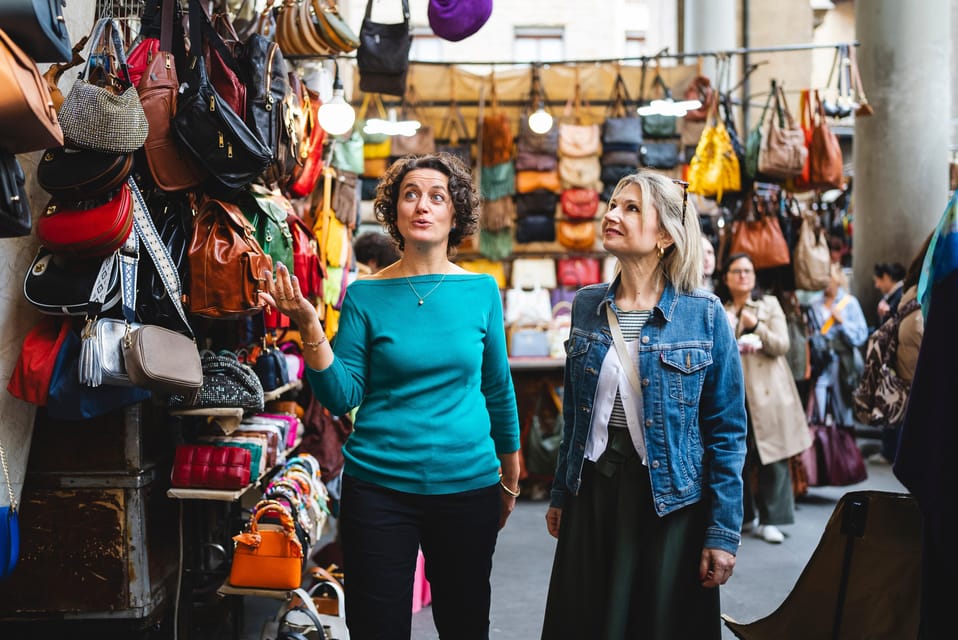
Leather goods and fashion heritage on a private tour in FlorencePrivate tour
2.5 hours · English, Italian, French, German

Florence: Private Leather and Fashion Tour

A local expert shows you Florence’s leather and fashion history, from artisan workshops to the luxury houses that grew from them.

From€216per group · check live price
View details →

This is an affiliate link: we may earn a commission at no extra cost to you. The tour operator sets the price, availability and inclusions, which may differ from what is shown here.

08 · Fashion Florence nearby

Build a fashion half-day around Palazzo Gucci

Florence’s fashion sights are all within a short walk. Walking times are approximate and start from Piazza della Signoria.

≈8 min walk

Museo Ferragamo

The shoemaker’s museum in Palazzo Spini Feroni, Piazza Santa Trinita, with temporary exhibitions drawn from the Ferragamo archive.

≈8 min walk

Via de’ Tornabuoni

Florence’s grandest shopping street, lined with Italian and international fashion houses in Renaissance palaces.

≈5 min walk

Mercato Nuovo

The 16th-century loggia known for the bronze boar, Il Porcellino, and its leather and souvenir stalls.

≈10 min walk

Santa Croce leather

The traditional tanners’ and leatherworkers’ district, home to the Scuola del Cuoio leather school.

≈12 min walk

Museum of Fashion and Costume

In Palazzo Pitti, Italy’s first state museum of fashion history, included in the Pitti Palace ticket.

≈15 min walk

San Lorenzo market

Street stalls selling leather jackets, bags and belts. Quality varies, so check the stitching and the leather.

Entrance to the Museo Salvatore Ferragamo in Palazzo Spini Feroni, Florence
Museo Ferragamo, Piazza Santa Trinita.A short walk from Palazzo Gucci, it is the natural second stop on a fashion-history day in Florence.
09 · Suggested half day

Palazzo Gucci, the square and the river

10:00Gucci Storia at opening

Allow 60–75 minutes for the nine rooms, then browse the ground-floor boutique.

11:30Piazza della Signoria

See the Loggia dei Lanzi sculptures and the Fountain of Neptune, or join a Palazzo Vecchio visit.

13:00Lunch at Gucci

Book the Osteria for lunch, or keep it casual at the Giardino.

14:30Fashion walk

Walk to Museo Ferragamo and up Via de’ Tornabuoni, or cross the Ponte Vecchio to Palazzo Pitti.

Sculptures under the arches of the Loggia dei Lanzi on Piazza della Signoria
The Loggia dei Lanzi, across the square.An open-air sculpture gallery that is free to visit, with masterpieces by Cellini and Giambologna.
10 · Visitor tips

Make the visit smooth

Palazzo Gucci is compact and central. These tips help with the busiest times and practical details.

Go early or late

Midday is busiest, when tour groups pass through the square. Opening time and the last two hours are calmer.

Pair it with the Uffizi

The Uffizi is next door. See Gucci Storia before or after your timed Uffizi entry.

Book the Osteria first

If dining is a priority, secure the table first, then plan the exhibition around it.

Travel light

The rooms are compact. Small bags make moving through the displays easier.

Photography

Follow the signs and staff guidance in each room, as some installations may have restrictions.

Accessibility

All three floors are served by lifts or stair-lifts, and there are accessible toilets. Contact the palazzo in advance with specific needs.

11 · Quick answers

Gucci Garden Florence: FAQs

Short answers to the questions visitors ask most often.

Is Gucci Garden in Florence still open?

The building is open as Palazzo Gucci. The Gucci Garden exhibition was replaced in April 2026 by Gucci Storia, a new exhibition curated by Demna.

How much does Gucci Storia cost?

A full-price ticket is €12. The boutique, the Osteria and the Giardino can be visited without an exhibition ticket.

What are the opening hours?

Daily 10:00–20:00 until 31 October 2026, then 10:00–19:00 from 1 November 2026 to 31 May 2027.

How long do I need?

About an hour for the exhibition. Allow up to three hours if you add lunch and the boutique.

Does Gucci Osteria have a Michelin star?

Yes, one star. The chef is Takahiko Kondo, and the restaurant is a collaboration with Massimo Bottura.

Where did Gucci start?

In Florence. Guccio Gucci opened his first shop on Via della Vigna Nuova in 1921.

Ready to go

Your Palazzo Gucci checklist

01Use the current name

Search for “Palazzo Gucci, Piazza della Signoria 10”. It is the same building as Gucci Garden.

02Check the season’s hours

10:00–20:00 until 31 October, 10:00–19:00 from 1 November.

03Book dining separately

Reserve the Osteria in advance. The Giardino is the casual option.

Images via Wikimedia Commons: Piazza della Signoria by Txllxt TxllxT (CC BY-SA 4.0); Palazzo della Mercanzia by Elenasan (CC BY-SA 3.0); Fountain of Neptune from the Palazzo della Mercanzia by Francesco Bini (CC BY-SA 4.0); Museo Salvatore Ferragamo by Richard, enjoy my life! (CC BY-SA 2.0); Loggia dei Lanzi by Vyacheslav Argenberg (CC BY 4.0). Tour image via GetYourGuide.